
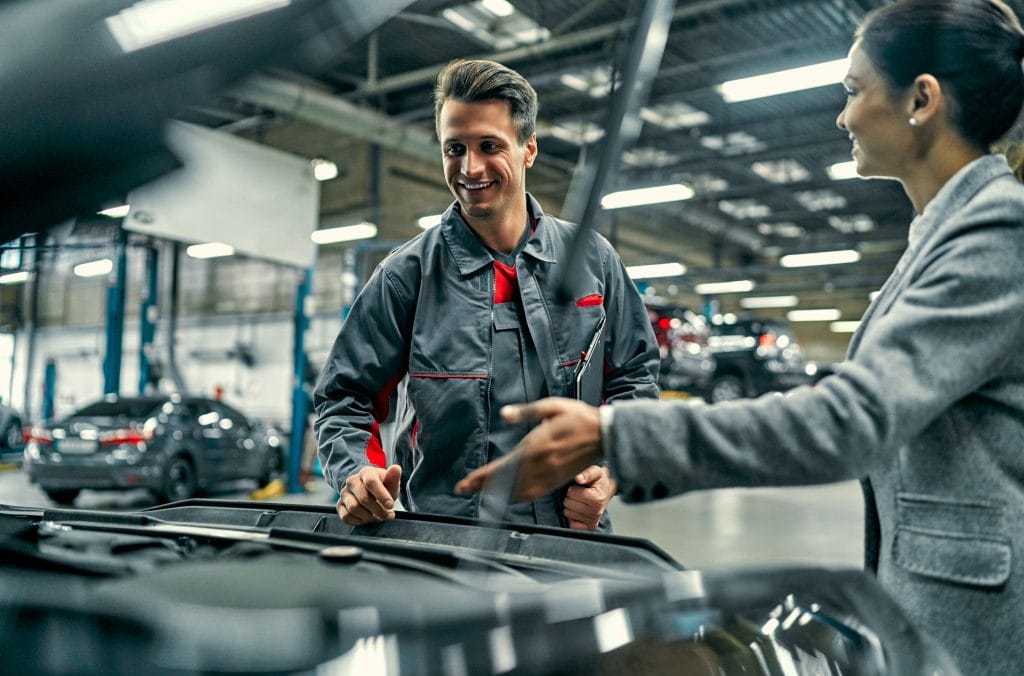
Driving in Maui offers some of the most scenic routes in the world, from the winding Road to Hana to coastal highways along Lahaina, Kihei, and Kahului. But while island driving is beautiful, it also presents unique challenges for vehicle maintenance. Salt air, humidity, steep elevation changes, and long stretches between service centers all affect how vehicles perform over time.
Unlike mainland driving, where repair shops are often just a short drive away, Maui drivers need to be more proactive with maintenance. When something goes wrong, delays in getting service can quickly turn a small issue into a major breakdown.
For drivers searching for mobile mechanic Maui HI services or reliable Maui auto service, understanding island-specific wear and tear is essential for keeping vehicles safe and reliable.
Here’s what every Maui driver should know about caring for their car on island roads.
1. Salt Air and Coastal Exposure Cause Corrosion
One of the biggest challenges for Maui vehicles is constant exposure to salt air. Even if you don’t drive directly on the beach, ocean air travels inland and settles on vehicles.
Over time, salt exposure can lead to:
- Rust on undercarriage components
- Corrosion on brake lines and suspension parts
- Electrical connection issues
- Exhaust system deterioration
Vehicles parked near coastal areas like Kihei or Lahaina are especially vulnerable.
Prevention Tips:
- Wash your vehicle regularly, including the undercarriage
- Rinse off salt residue after beach driving
- Schedule periodic inspections for rust-prone areas
Preventing corrosion early is far easier than repairing it later.
2. Humidity and Heat Affect Battery Performance
Maui’s warm, humid climate creates ideal conditions for battery wear. High temperatures accelerate internal chemical breakdown, shortening battery lifespan.
Common battery issues include:
- Slow engine starts
- Weak or failing battery charge
- Corrosion on terminals
- Sudden battery failure without warning
Short trips between towns like Kahului, Paia, and Kihei also prevent batteries from fully recharging, making the problem worse over time.
Regular battery testing is one of the simplest ways to avoid unexpected breakdowns.
3. Steep Roads Put Extra Strain on Brakes and Transmission
Maui’s terrain includes steep climbs and descents, especially on routes like the Road to Hana and upcountry areas around Makawao and Kula.
This type of driving puts additional stress on:
- Brake pads and rotors
- Transmission systems
- Engine cooling systems
Frequent braking on downhill roads causes brake components to heat up quickly, leading to faster wear. Over time, this can reduce braking efficiency if not maintained properly.
4. Stop-and-Go Traffic in Tourist Areas
While parts of Maui are quiet and rural, tourist-heavy areas often experience congestion, especially around Lahaina, Kihei, and resort zones.
Stop-and-go traffic increases wear on:
- Brakes
- Engine oil
- Cooling systems
- Fuel efficiency
Extended idling in warm weather also puts additional stress on the engine, making cooling system maintenance especially important.
5. Cooling System Strain in Island Heat
Even though Maui’s climate is generally pleasant, constant warm temperatures combined with heavy traffic and uphill driving can stress cooling systems.
Potential issues include:
- Low coolant levels
- Weak radiator fans
- Failing thermostats
- Clogged radiators
Overheating can happen quickly if any part of the system is not functioning properly, especially during long uphill drives in hotter inland areas.
6. Limited Repair Access Makes Preventive Care Essential
One of the biggest differences between island and mainland driving is access to repair services. In Maui, scheduling a shop visit may require longer wait times, especially during busy tourist seasons.
This makes preventive maintenance even more important:
- Catching small issues early
- Avoiding roadside breakdowns
- Reducing dependence on emergency towing
For many drivers, having a mobile mechanic near me option provides a practical solution when traditional shop access is limited.
7. Tire Wear From Mixed Road Conditions
Maui roads vary from smooth highways to narrow, winding rural routes. This combination can cause uneven tire wear over time.
Factors affecting tires include:
- Heat from long highway drives
- Rough or uneven rural roads
- Sharp turns on mountain routes
- Underinflation or overinflation
Regular tire checks help maintain safety and improve fuel efficiency.
8. Oil Maintenance Is Critical in Island Conditions
Engine oil breaks down faster in warm climates due to heat and humidity. In Maui, this is especially important because vehicles often operate in stop-and-go traffic or climb steep terrain.
Fresh oil helps:
- Protect engine components
- Improve fuel efficiency
- Reduce overheating risk
- Extend engine life
Skipping oil changes can lead to long-term engine wear that is expensive to repair.
9. Why Mobile Mechanics Are Popular in Maui
Mobile mechanics are becoming increasingly popular across the island because they bring service directly to the driver.
A mobile mechanic Maui HI service can provide:
- On-site diagnostics
- Battery replacement
- Brake repair and inspection
- Oil changes
- Cooling system checks
This eliminates the need to drive long distances or wait for shop availability, which is especially useful in remote or busy areas.
Maui’s driving conditions are unique, combining coastal exposure, steep terrain, warm weather, and limited service access. These factors make preventive maintenance essential for keeping vehicles reliable on island roads.
By staying ahead of routine maintenance and addressing small issues early, drivers can avoid unexpected breakdowns and costly repairs.
Whether you rely on traditional shops or a mobile mechanic Maui HI service, consistent care is the key to keeping your vehicle safe and dependable across all of Maui’s roads.