
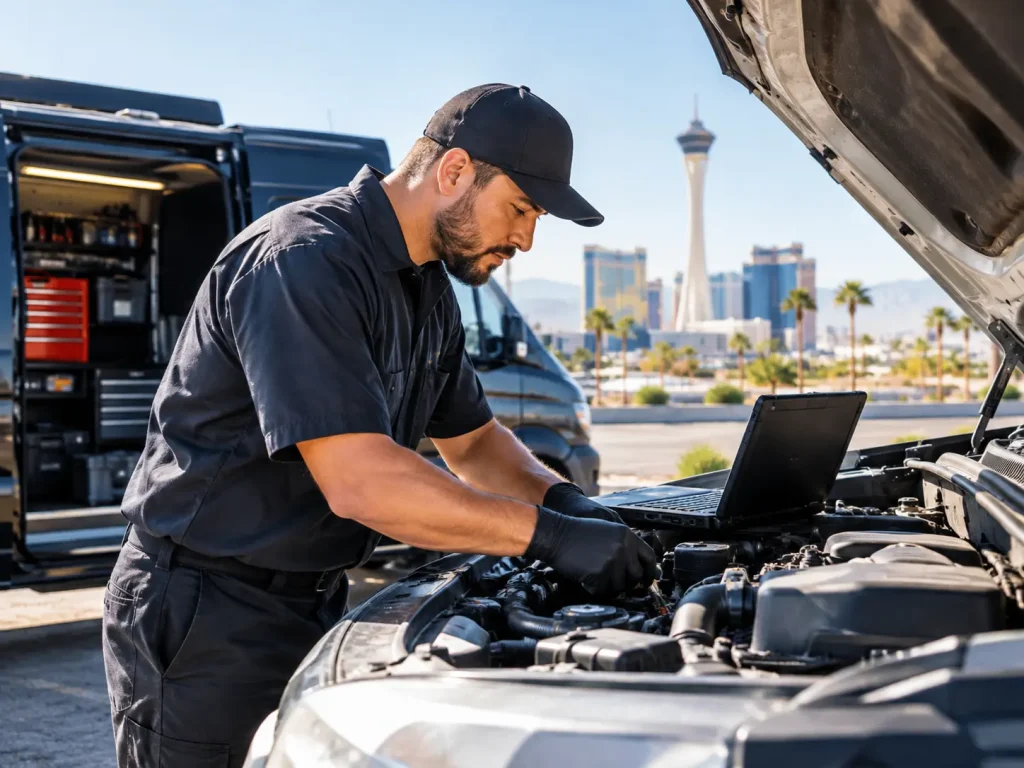
The drive to Hana is one of the most famous road trips in Hawaii, and for good reason. Waterfalls, rainforest, ocean cliffs, and sharp bends all packed into one long, winding route. It is also a hard drive for a car. The road is narrow, the curves are constant, the grades go up and down, the weather can change in minutes, and help can be far away when something goes wrong. A little preparation before you leave makes the trip safer and more relaxed. This guide gives you a practical car checklist for Maui drivers and visitors, explains why brakes deserve special attention, and shows how a brake inspection in Maui and other pre trip checks can be handled by a mobile mechanic before you head out.
Why the Road to Hana Is Tough on a Car
Most drivers are used to straight roads and steady speeds. This route is different. You will spend hours braking for curves, slowing for narrow one lane bridges, climbing and descending repeatedly, and stopping and starting at viewpoints. That means heavy use of the brakes, constant work for the engine and transmission, and steady stress on the suspension and tires. Rain is common, humidity is high, and salt air drifts in from the coast. Phone service can be spotty in places, and services are limited along the way, so a breakdown is more than an inconvenience. The goal of a good checklist is to find small problems at home, not on a remote stretch of road.
Start With the Brakes
Brakes do more work on this drive than almost anything else, and they are a safety system, so they come first. Before you go, pay attention to how they behave in everyday driving:
- Squealing, squeaking, or grinding when you brake
- A soft, spongy, or low pedal
- Pulling to one side when you stop
- Vibration in the pedal or steering wheel while braking
- A burning smell after driving
- A brake warning light on the dashboard
- Fluid leaking near a wheel
If you notice any of these, have the brakes inspected before the trip, not after. A brake inspection typically includes checking the thickness of the pads and rotors, looking for uneven wear, checking the calipers and hardware, inspecting the brake lines and hoses, and checking the brake fluid. Worn pads that seem fine around town can wear quickly on a long series of descents, so it is smart to know where they stand. Your owner’s manual explains the brake service guidance for your vehicle, and a technician can tell you honestly whether your brakes are ready.
Learn the Right Way to Handle Long Descents
Riding the brake pedal all the way down a long grade builds heat, and overheated brakes lose stopping power. Many vehicles have a lower gear selection or a manual shift mode that uses engine resistance to help control speed, which lets you brake less. How to use it depends on your car, so check the owner’s manual before the trip. Leave plenty of following distance, slow down before curves instead of braking in the middle of them, and use pullouts to let faster drivers pass. If the pedal feels soft or you smell something burning, pull over safely and let the brakes cool.
Check Your Tires
Tires are your only contact with a wet, curvy road, so their condition matters a great deal. Before you leave:
- Check the pressure on all four tires, and the spare, when the tires are cold
- Look at the tread depth and make sure it is not worn down
- Look for cracks, bulges, nails, or cuts in the sidewalls and tread
- Look for uneven wear, which can point to alignment or suspension trouble
- Make sure the spare, jack, and lug wrench are actually in the car and usable
The correct tire pressure is listed on a label inside the driver’s door jamb or in the owner’s manual. Do not rely on the number printed on the tire itself. A car loaded with luggage, coolers, and passengers may need the pressure the manual lists for heavier loads.
Look Under the Hood
A few minutes with the hood open can catch problems before they leave you stranded. With the engine cool, check:
- Engine oil level and condition
- Coolant level in the reservoir, never opening the cap on a hot engine
- Brake fluid level
- Power steering fluid, if your car has it
- Windshield washer fluid
- Belts for cracks or fraying, and hoses for bulges or leaks
- Battery terminals for crusty buildup
If you notice a fluid level that is far below normal, or a puddle where you parked, have it looked at before you drive. Low fluid usually means a leak, and a long, hilly trip is a poor time to find out how bad it is.
Think About the Cooling System
Climbing hills, stop and go driving, and warm weather all add heat. The cooling system keeps the engine from overheating, and it depends on good coolant, working hoses, a healthy water pump, and a functioning thermostat and fans. Watch the temperature gauge on the way, and if it climbs above normal, find a safe place to pull over and turn the engine off. A car that runs warm on a regular day will struggle on a long climb, so do not ignore a gauge that seems high before your trip.
Test the Battery and Starting System
You will probably stop many times for photos, short hikes, and food, and each stop means another restart. A weak battery that works fine in a driveway can fail after you have turned the engine off at a remote waterfall. Slow cranking, dim lights, or a dashboard that flickers are signs to have the battery tested. Heat and humidity are hard on batteries, and corrosion on the terminals makes things worse. If your car is ever hard to start, our guide to the top 10 reasons your car won’t start and how to get back on the road explains the common causes and what to try first.
Check Lights, Wipers, and Visibility
Rain showers and low clouds can appear fast, and many stretches of the road are shaded by trees. Make sure your headlights, brake lights, turn signals, and hazard lights all work. Check the wiper blades for cracks or streaking and replace them if they smear. Clean the windshield inside and out, since a dirty glass scatters light and makes glare worse. Test the defroster and the air conditioning, because fogged windows are a real problem in humid weather.
Plan for Fuel and Services
Fuel and services can be limited along the route, so start with a full tank and do not count on finding what you need around the next bend. Bring water, snacks, a flashlight, a basic first aid kit, a phone charger, and a printed or downloaded map in case your signal drops. A small kit with jumper cables or a portable jump starter, a tire pressure gauge, and a flashlight can be a real help. Let someone know your plan and your expected return time.
Rental Cars and the Road
If you are driving a rental, give it the same checklist. Walk around the car with the agent before you leave, note any existing damage, check the tire pressure and the spare, and make sure the lights and wipers work. Read the rental agreement so you understand your responsibilities and any road restrictions that may apply. If something feels wrong in the first few miles, such as a pull, a vibration, or a soft pedal, turn back and ask for another vehicle.
How Maui Conditions Wear on Your Car Year Round
The road to Hana is just the most dramatic example of what Maui driving does to a vehicle. Steep grades, humid air, frequent rain, and salt in the breeze all take a toll on brakes, tires, suspension, and electrical connections. Our article on volcanic terrain and steep roads and car care tips for Maui drivers goes deeper into how island driving affects your car and what you can do about it. Regular maintenance is the best protection, and it makes a big trip feel less risky.
A Simple Pre Trip Checklist
- Brakes inspected, with no noise, pulling, or soft pedal
- Tires at the correct pressure, with good tread and a usable spare
- Oil, coolant, brake fluid, and washer fluid at proper levels
- Battery tested and terminals clean
- Belts and hoses in good shape, with no leaks
- All lights working, and wiper blades in good condition
- Air conditioning and defroster working
- Tank full, and a small emergency kit on board
- Owner’s manual in the glove box for reference
Can a Mobile Mechanic Do a Pre Trip Inspection?
In many cases, yes. A mobile mechanic can come to your home, your hotel, or your workplace in the Maui area, inspect the brakes, check the tires and fluids, test the battery, look at belts and hoses, and talk through anything that concerns you. Many common repairs, such as brake pad replacement, battery replacement, and fluid services, can often be completed on site. Some larger jobs may need the lift and equipment of a full shop, and a trustworthy technician will tell you honestly when that is the case. It helps to book a few days before your trip, so there is time to handle anything the inspection turns up. When you book, mention your plans, any noises or warning lights, and your vehicle’s year, make, model, and mileage.
Enjoy the Drive, Not the Breakdown
The Road to Hana is meant to be savored. A car in good condition lets you focus on the views and not on strange sounds and warning lights. Take an hour before you go to run through the checklist, and if anything looks questionable, get it looked at while there is still time to fix it.
To learn more about our services, visit our homepage. If you would like your brakes and tires checked before your trip, reach out through our contact us page and we will come to you anywhere in the Maui area.